• Mechanisms of Consumption

    Located between two parking structures at Knoxville’s convention center, the project reclaims an interstitial site typically excluded from urban value. Drawing from the 2005 Comme des Garçons fashion show, the architecture operates as a consumptive apparatus: structuring desire, acquisition and discard, while making visible the spatial logics that render certain spaces unusable within capitalist systems.

    This project was completed in Graduate Studio I under Prof. Lauren Buntemeyer.

  • Veil of Light

    Veil of Light: Swimming Through the Fog is a dynamic roof set over the existing aquatic center. The form embodies what’s considered to be the oldest stroke, the breastroke. From this form, two layers of Translucent ETFE membrane are placed; one inside the structure as insulation and the other over the structure for waterproofing. Together, they create a perfectly diffused light, soaking the space in a perfect haze. This embodies the blue ridge mountains eastern Tennessee. By combining site-specific spatial dynamics with its function as a aquatic center, the updated roof creates a new vision for the Tennessee’s campus, becoming a beacon of light for the future of aquatic life for the university.

    This project was completed in ARCH 557: Structural Principles under Prof. Kristen Pitts.

  • Jekyll Island Restoration

    “Jeykll Island’s ecological restoration transforms an aging golf course into a resilient coastal landscape, setting a national precedent for repurposing underutilized land. Once a fragmented and degraded site, the landscape is being revitalized into thriving native habitat that includes longleaf pine savannas, coastal salt marshes, maritime forest, and sweetgrass prairie. Led by landscape architects, the project balances ecological restoration with cultural heritage. By restoring habitats, providing recreation and research opportunities, ensuring ecological resilience, and developing adaptive management strategies, this effort not only protects the island’s natural heritage but also positions it as a model for coastal restoration nationwide.” – Project Statement

    Testing Ground: Adapting Fairways to Resilient Barrier Isle Ecosystems was the 2025 ASLA / IFLA Global Impact Award in Analysis & Planning. The images are pulled from the winning submission.

    This project was completed at Design Workshop during 2024 under PIC Emily McCoy alongside a team including Ellie Lerner and Morgan Clutter.

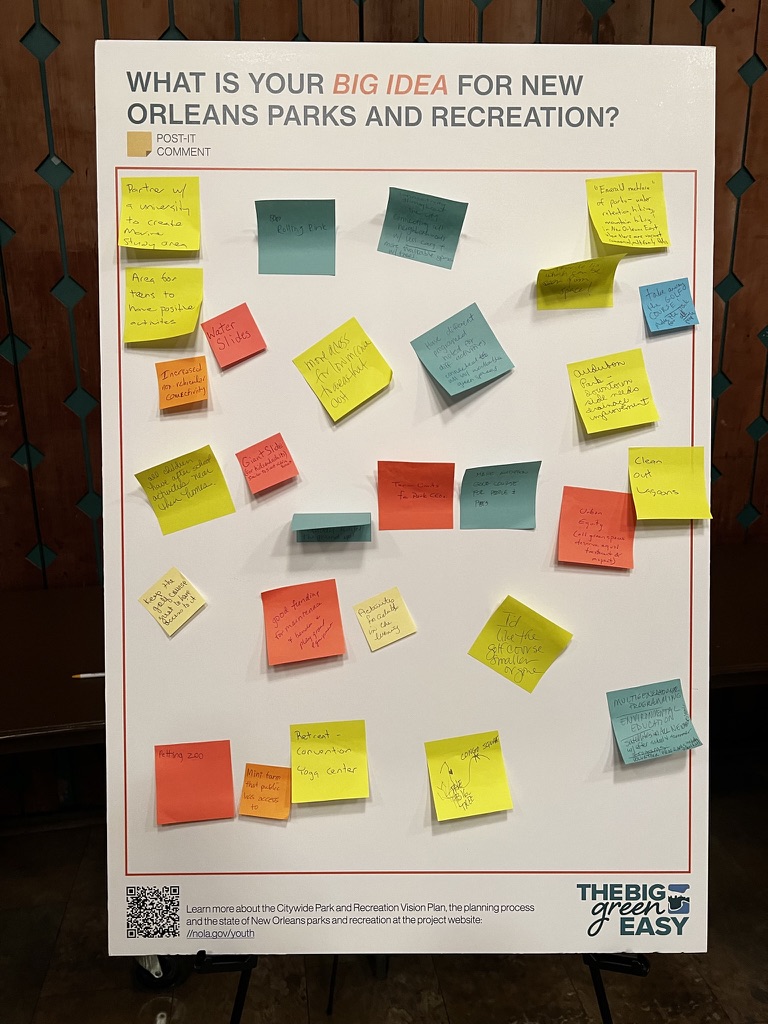
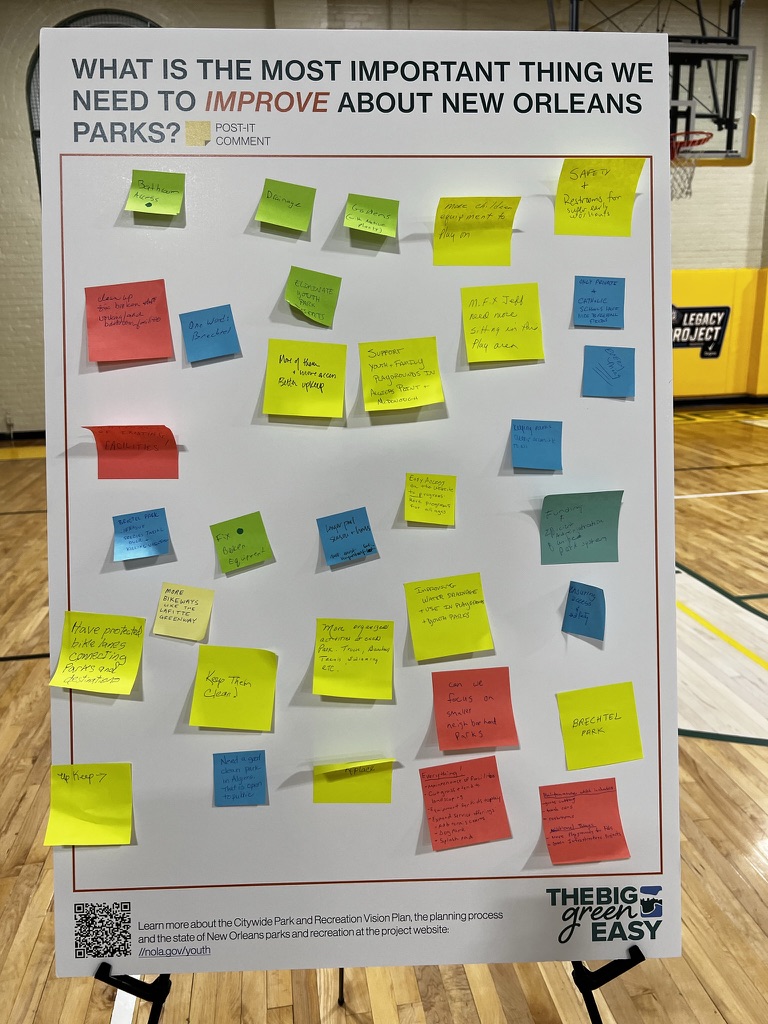
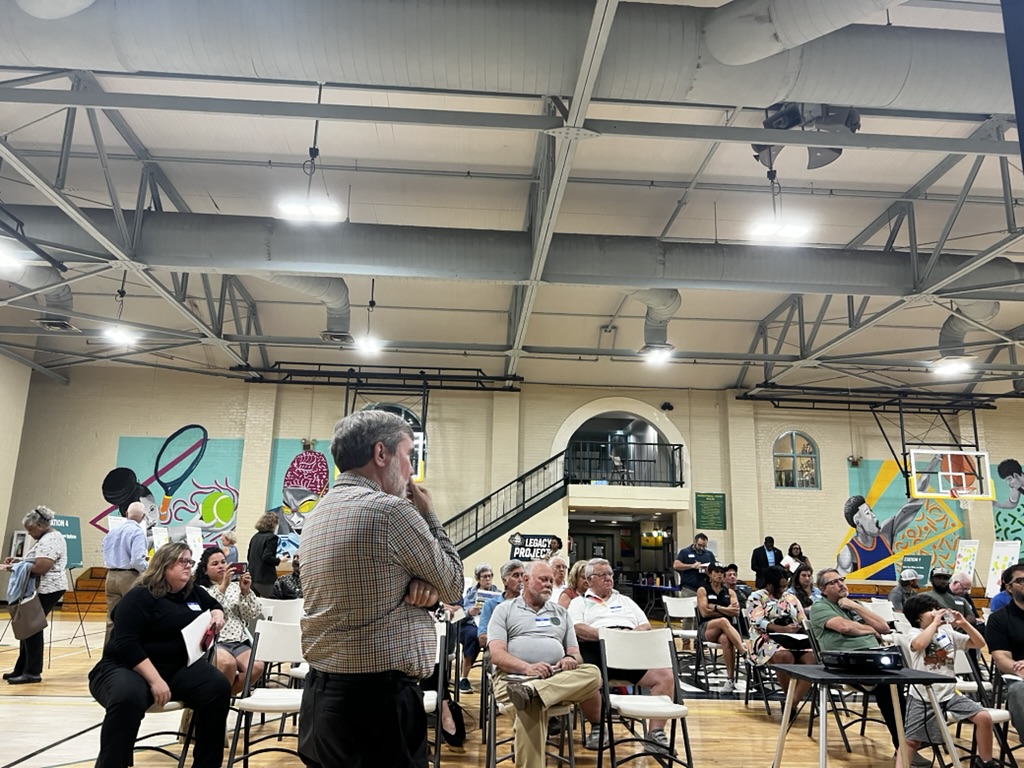
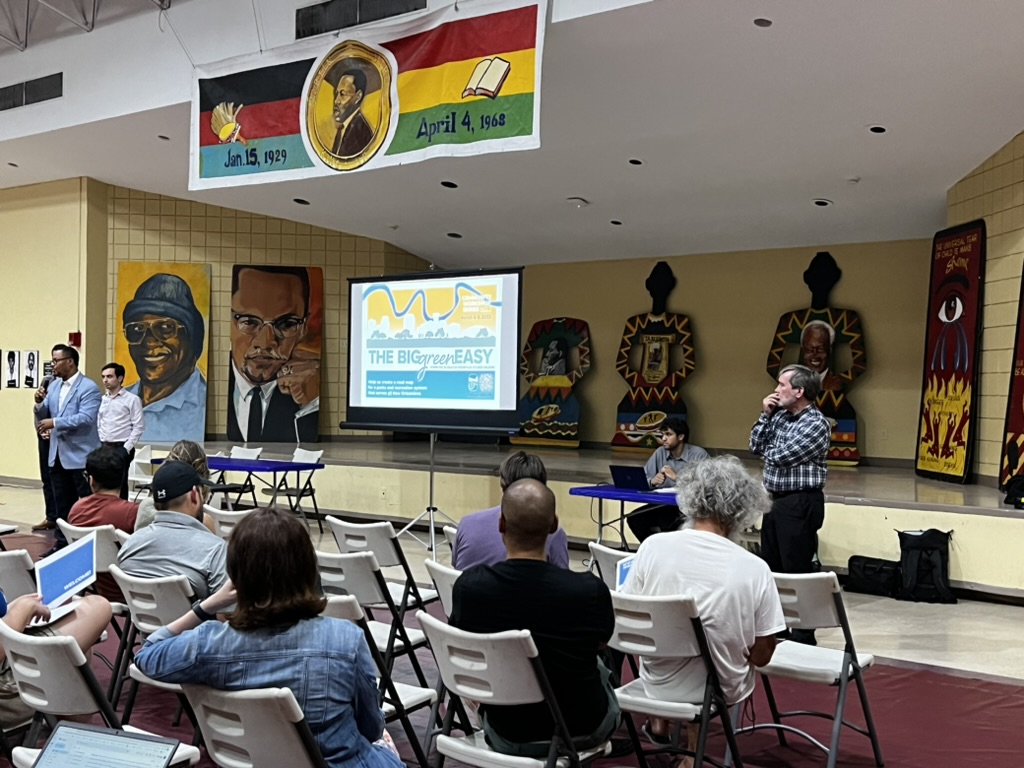
  • New Orleans Parks and Recreation Masterplan

    “Though parks have been part of the fabric of New Orleans since 1718, the city’s world-class public park system saw disinvestment and collapse in the fallout of Jim Crow, and Hurricane Katrina devastated the system further. Today the park and recreation disparities in New Orleans are stark. As climate change makes the city hotter and more flood-prone, and community leaders seek new tools to address health crises and gun violence, the need for change is urgent. The Big Green Easy offers a remedy and path forward: a community-driven action plan for a park and recreation system that celebrates the distinct cultures of New Orleans while making the city and its neighborhoods cooler, greener, healthier, more resilient and more just, for all.” – Project Summary

    Reversing Jim Crow: A New Legacy for New Orleans Parks and Recreation was the 2024 Colorado ASLA Merit Award in Analysis & Planning. The images are pulled from the winning submission.

  • Unearthing Eden

    In the foothills of East Tennessee, agricultural production has permanently altered the landscape. The widespread practice of mono-culture farming has significantly deteriorated the soil quality.

    The hortus conclusus aims to counter the existing agricultural grid and reconnect with the region’s historical land use. An enigmatic structure sits alien on the site, encapsulating Eden, an idealized wild landscape. Reflected below is a vault holding artifacts of the agriculture and nature.

    This project was completed in Graduate Summer Studio in 2024 under Prof. Hansjeorg Goeritz.

  • Memorial of a Landscape

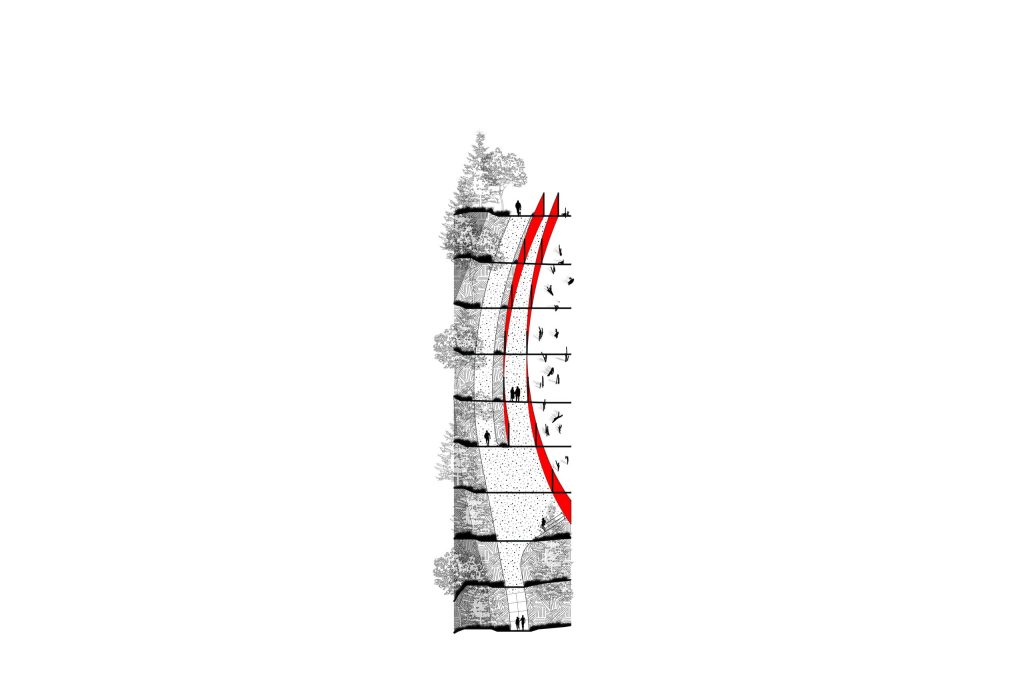
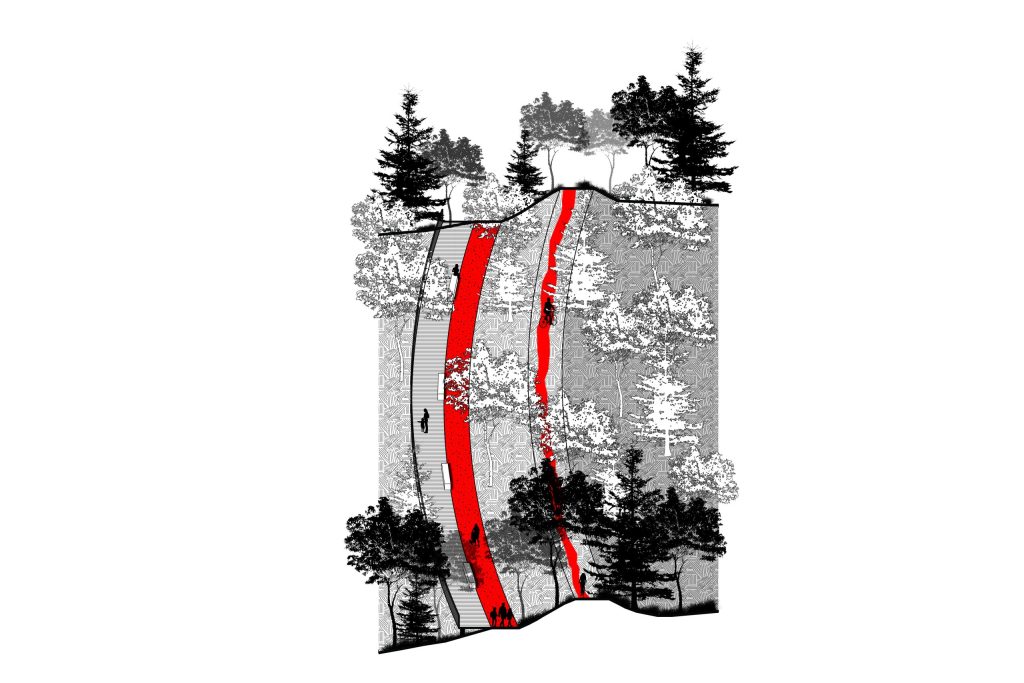
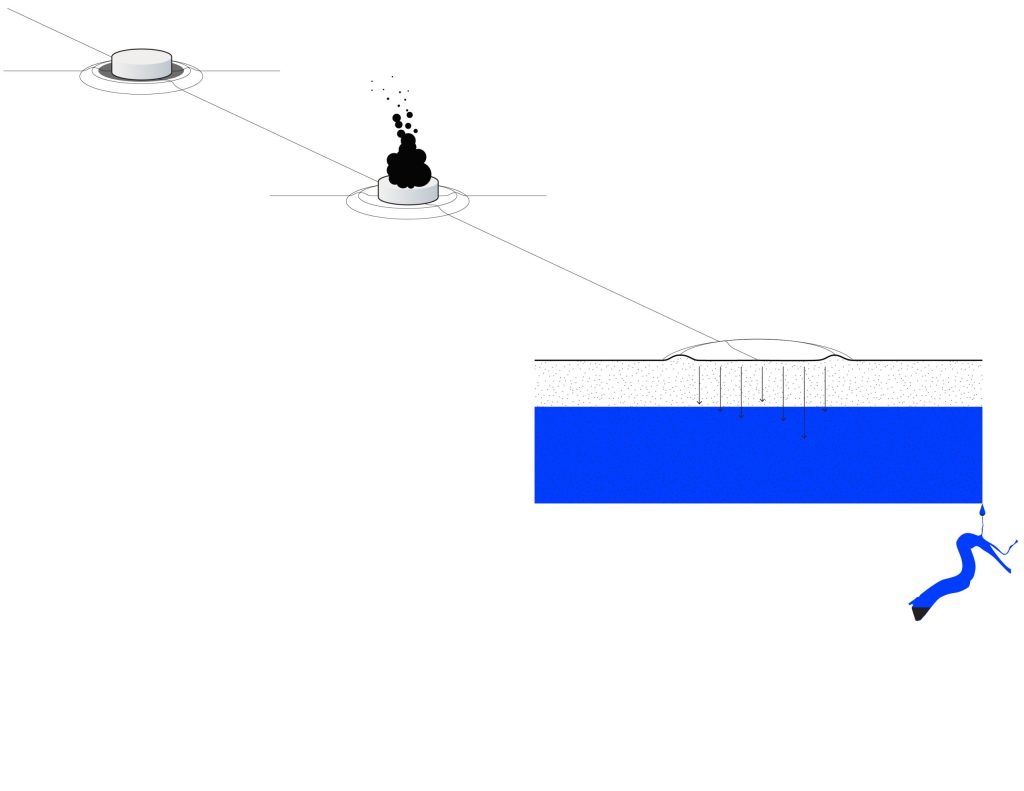
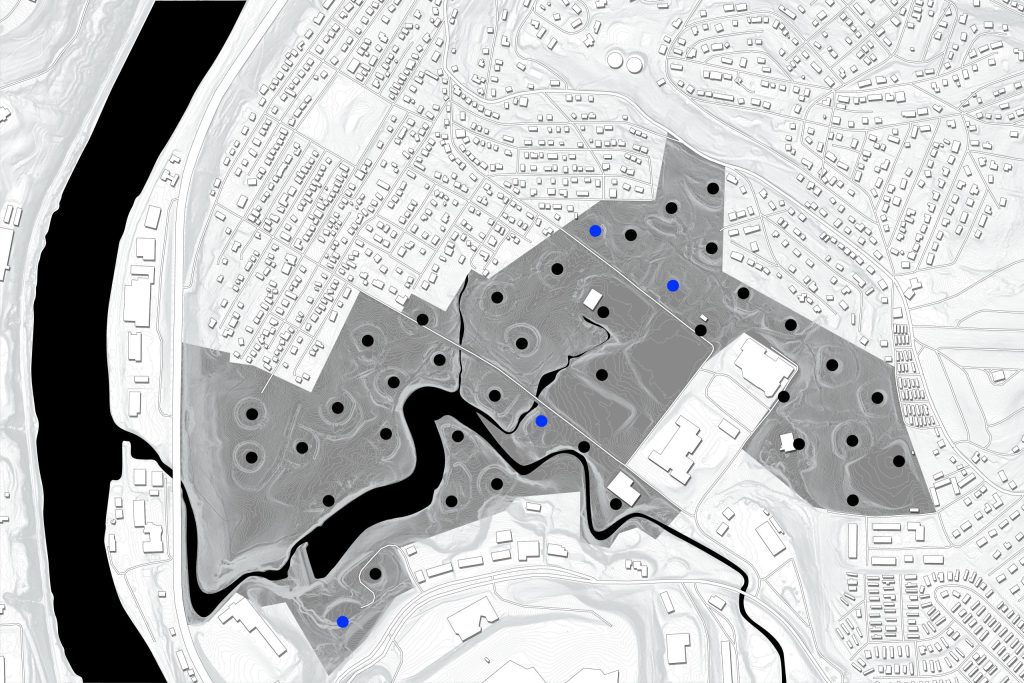
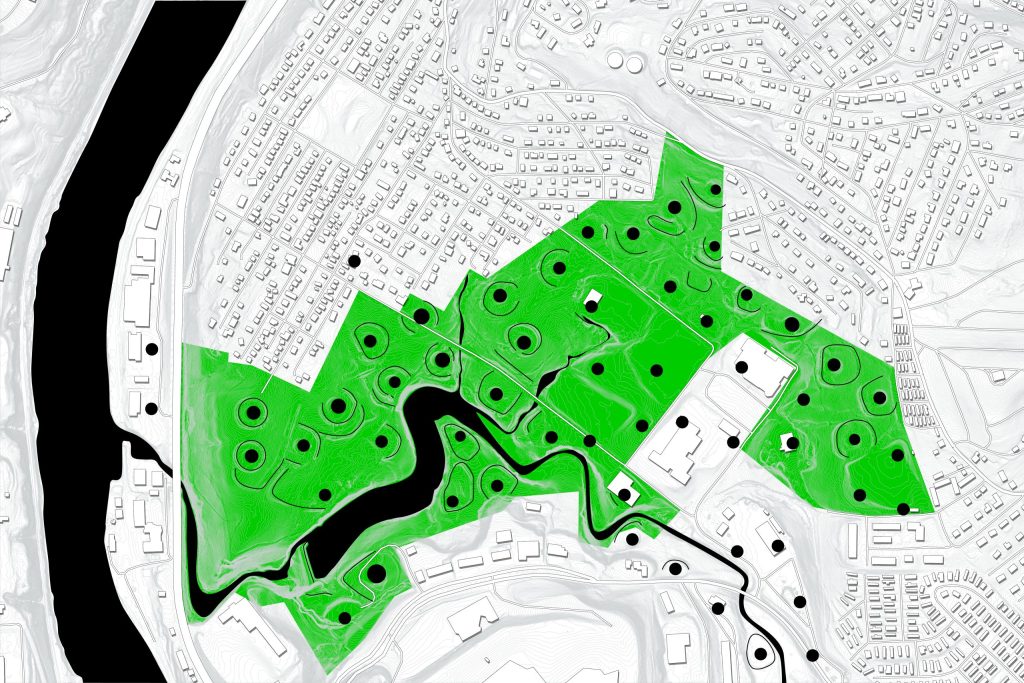
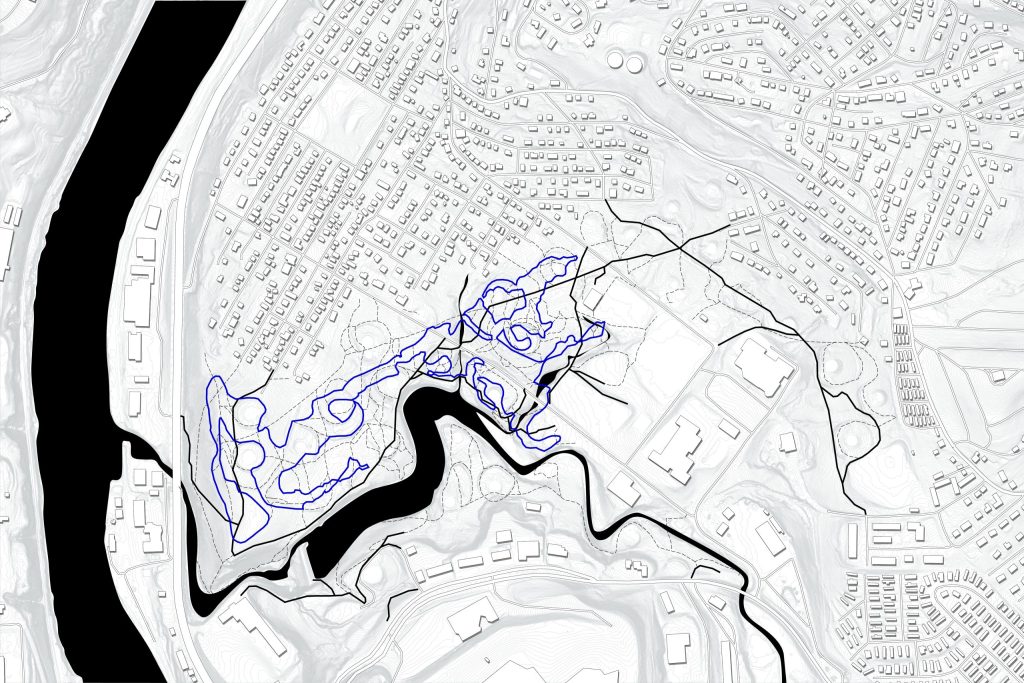
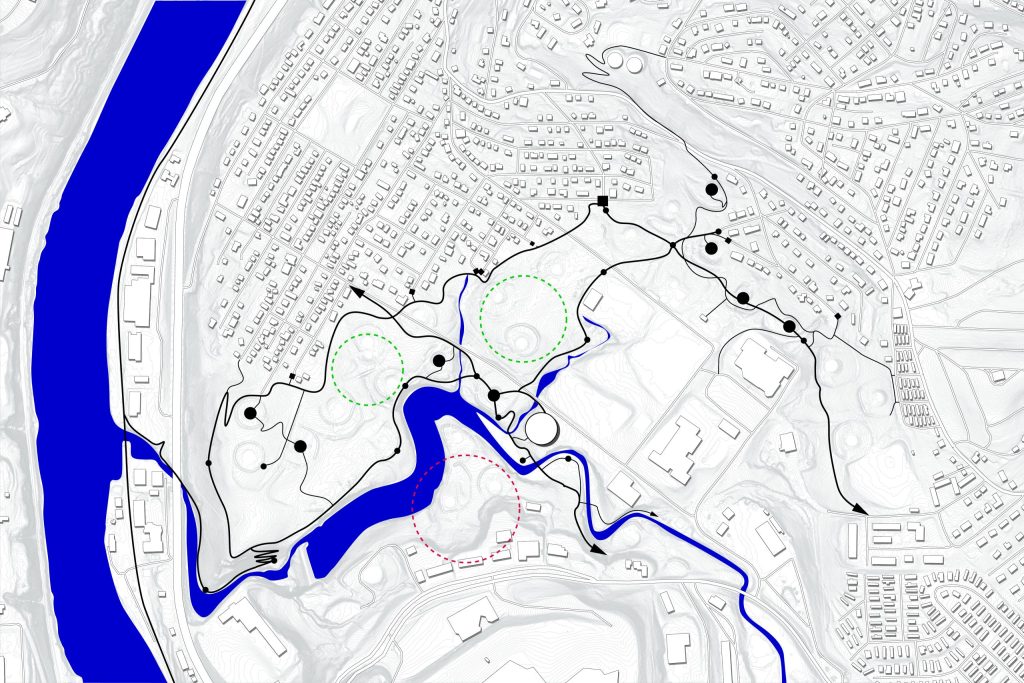
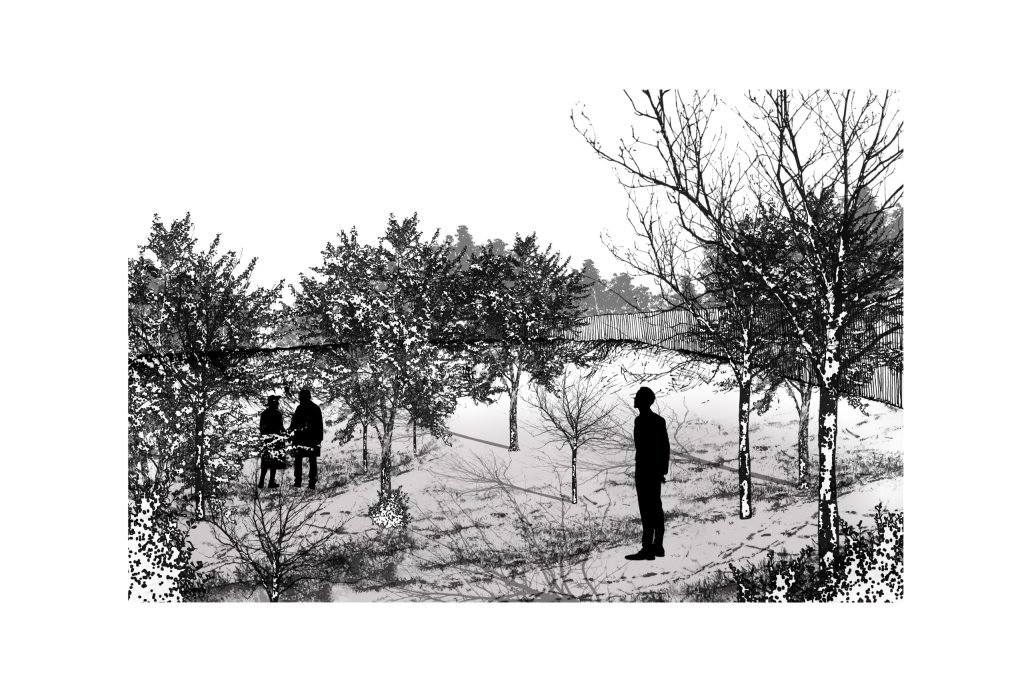
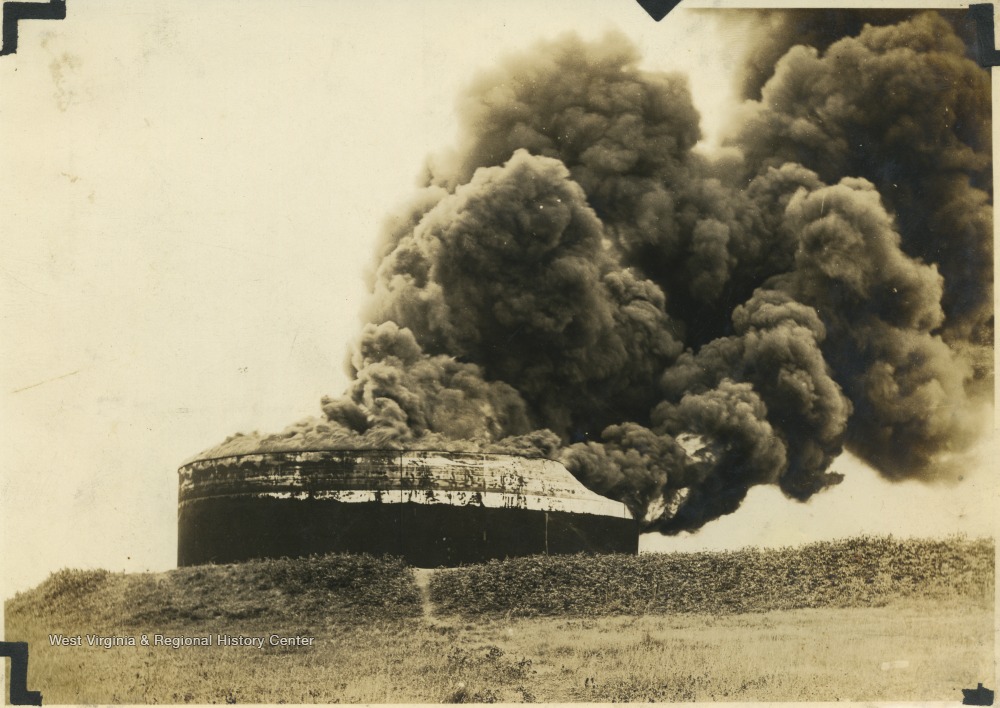
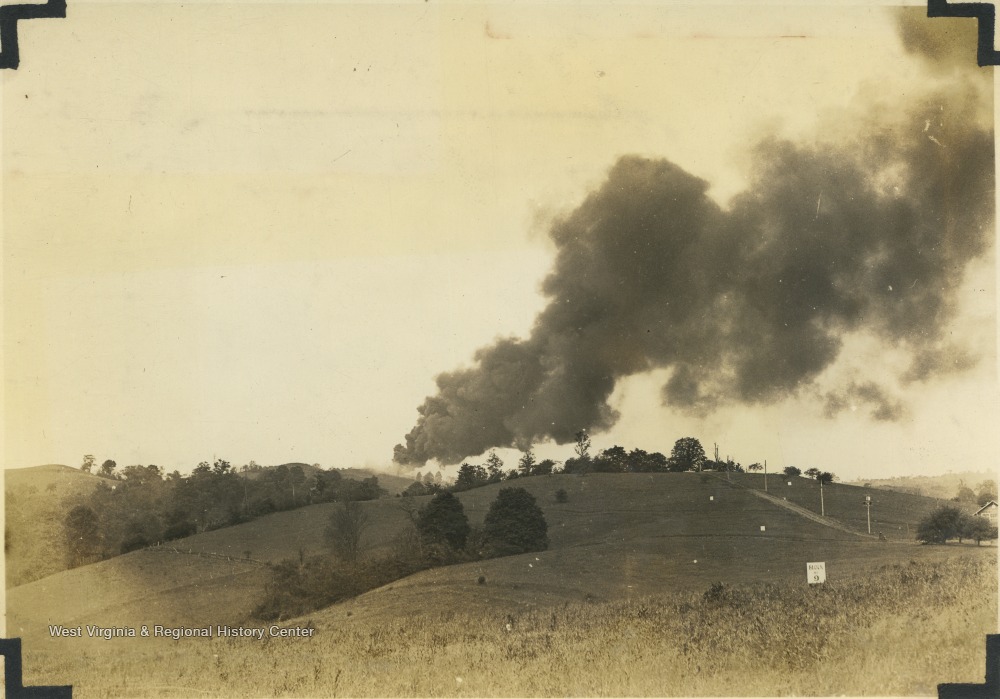
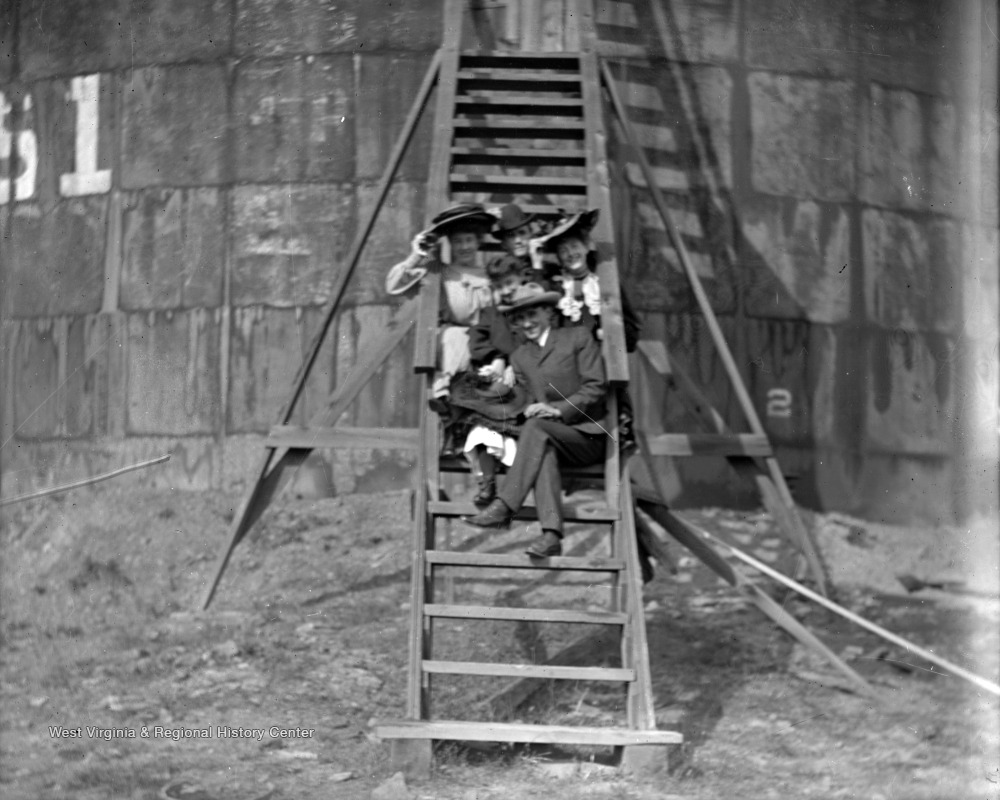
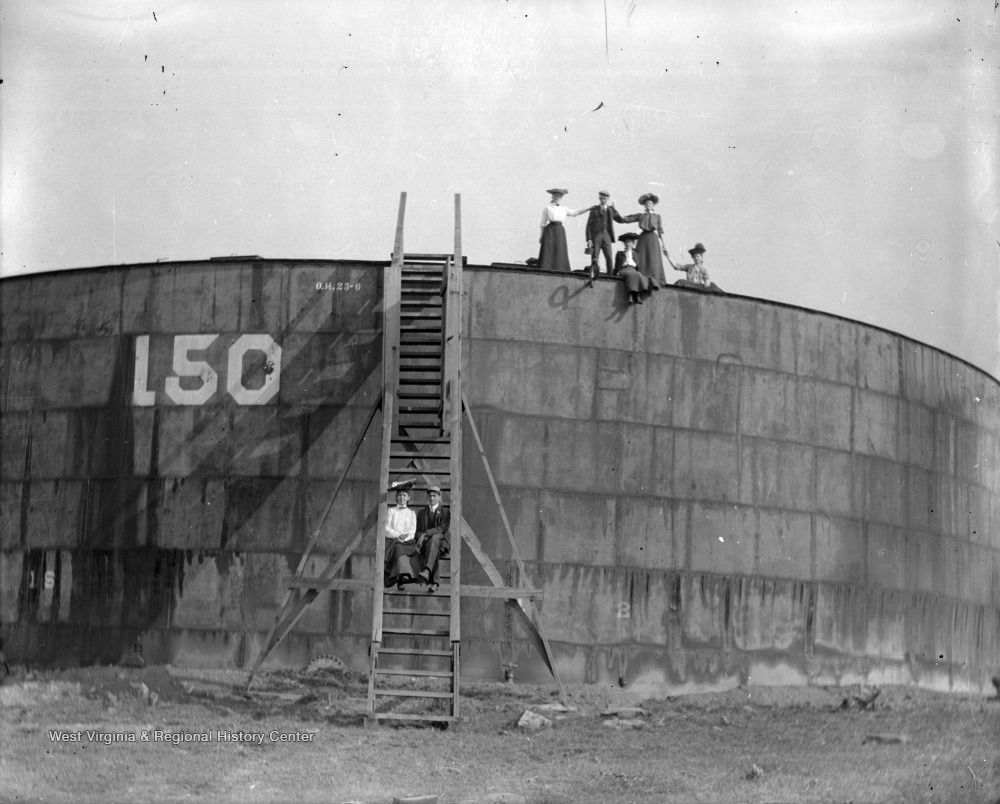
    White Park is a prominent community landscape shaped by a largely unseen industrial history. Its berms weave through the forest, the site once functioned as an oil tank storage field. An infrastructural use whose environmental consequences persist in the land today. The memorial is positioned at the park’s primary entrance, marking the threshold between everyday recreation and buried extraction.

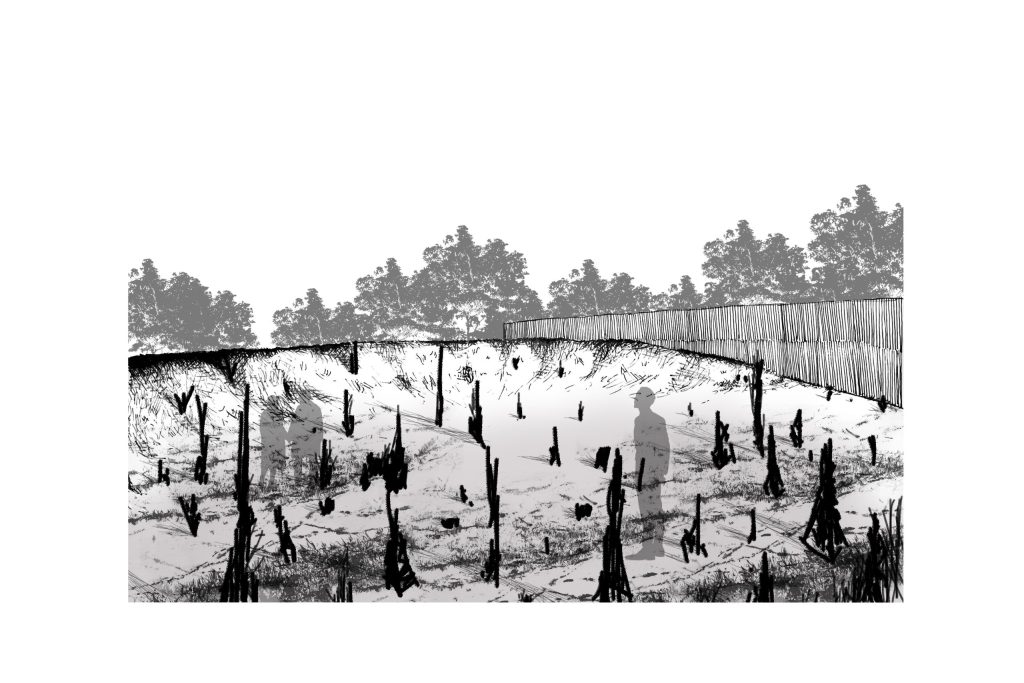
    Embedded within a landscape of controlled burning and regrowth, the memorial participates in the site’s ongoing ecological cycles. The enclosing berms frame the descent, completing a spatial sequence that registers loss, exposure and renewal, while tracing the imprint of an industrial burn that remains legible in the terrain.

    This Capstone project was completed in Undergraduate Studio IV during Spring 2022 under Prof. Judith Wasserman with advising from Profs.Stefania Staniscia and Vaike Haas.